
Posbudur — From product website to point-of-sale workflows
A POS product connecting sales, tables, bills, kitchen workflows and reporting for restaurants and cafés, paired with a website presenting its features and plans.
About This Project
A product website and business software together
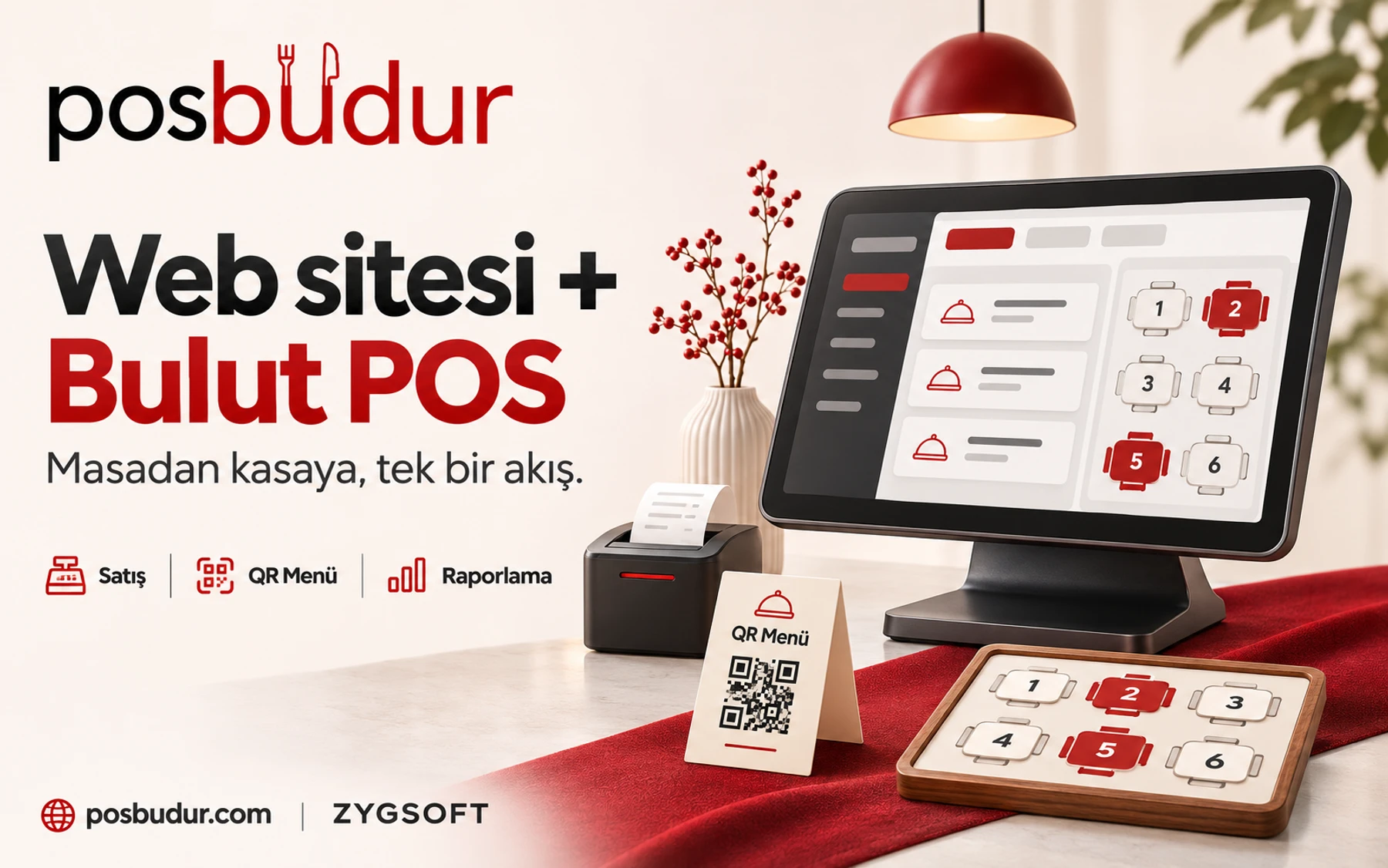
The Posbudur project combines a public product website with a POS system for restaurants and cafés. The website explains the product, the business needs it addresses and the steps for getting started. The POS scope connects sales, tables, bills, service and kitchen operations within one product story.
Presenting these layers together helps a business owner relate the software to everyday work. Feature and pricing pages provide detail, while demo, trial and contact directions make the next step visible.
From the sales point to table and bill management
Quick sales, table and bill management, and multiple payment options form the core transaction scope presented by the product. Opening an order, associating it with a table, following the bill and closing the account are connected stages of a restaurant workflow.
- A dedicated quick-sales feature area.
- Order tracking through tables and bills.
- Account and payment workflow scope.
- A feature presentation that helps owners assess the product against their service model.
In this case study, POS means business software for restaurant sales and bill management. The presentation focuses on operational workflows rather than describing a banking or payment-acquiring service.
Connecting service and kitchen operations
The kitchen display and waiter terminal extend the product scope beyond the checkout. Taking an order and passing it to preparation are different points in the same service journey. The website therefore introduces the kitchen, waiter and table workflows alongside the sales screen.
Stock and recipe management and staff management provide additional areas for owners to consider. Separating these capabilities into clear groups makes it easier to identify the parts relevant to an individual business.
QR menus and device access
QR menu integration, a cloud-based product approach and multi-device support are presented as part of the digital service scope. Menu access, different staff roles and business management are described within the same product family. The website groups these features around practical needs rather than presenting an unexplained technical list.
The bespoke cover uses a terminal and a conceptual QR-menu card to represent this scope. It preserves Posbudur's black and red visual identity without presenting the artwork as an actual application screenshot.
Reporting and business management
Advanced reporting, sales trends, checkout security and multi-branch management appear among the product's management features. A sales system also needs to communicate the information available after a transaction. The feature page separates daily operations from management needs while showing them as parts of the same product.
This structure allows different types of business to assess the software through their own priorities. A single service point and a multi-location operation may ask different questions; the feature and plan presentation makes that broader scope visible.
From discovery to getting started
The public website includes features, pricing, about, contact and callback-request pages. Its onboarding explanation moves through creating an account, setting up the business and starting sales. Visitors can explore the product, compare plans or choose to make contact.
The public web experience uses Next.js and React. It carries the product identity and discovery journey, while the POS scope addresses the business workflows behind that presentation. Together, these layers make Posbudur a portfolio project covering both a product website and operational software.
Problem
The sales point, service team and kitchen are parts of the same order journey. The product website also needs to explain how these pieces fit together.
- Connect tables, orders and bills
- Address service and kitchen workflows together
- Make reporting and management needs visible
- Provide a clear route from product discovery to setup
Solution
The product and its public-facing website are presented as a connected scope.
- Quick sales, table and bill management
- Kitchen display and waiter terminal scope
- QR menu, stock and recipe features
- Reporting and multi-branch management scope
- Feature, pricing and contact pages
Process
The website's product journey moves from business needs towards getting started.
- Explore relevant capabilities
- Review plans and pricing
- Choose a demo, trial or contact route
- Follow the account, business setup and sales-start steps
Result
Posbudur's brand presentation and business software share one product story.
- A consistent identity from the website to the product
- A module scope covering sales and service operations
- Clear feature and plan discovery for business owners
Technologies
Project Details
Category
Web Design & Development
Client
Posbudur
Live URL
www.posbudur.comInterested in a similar project? We'd love to hear about it.
Get a Free QuoteOther Projects
Web Design & Development
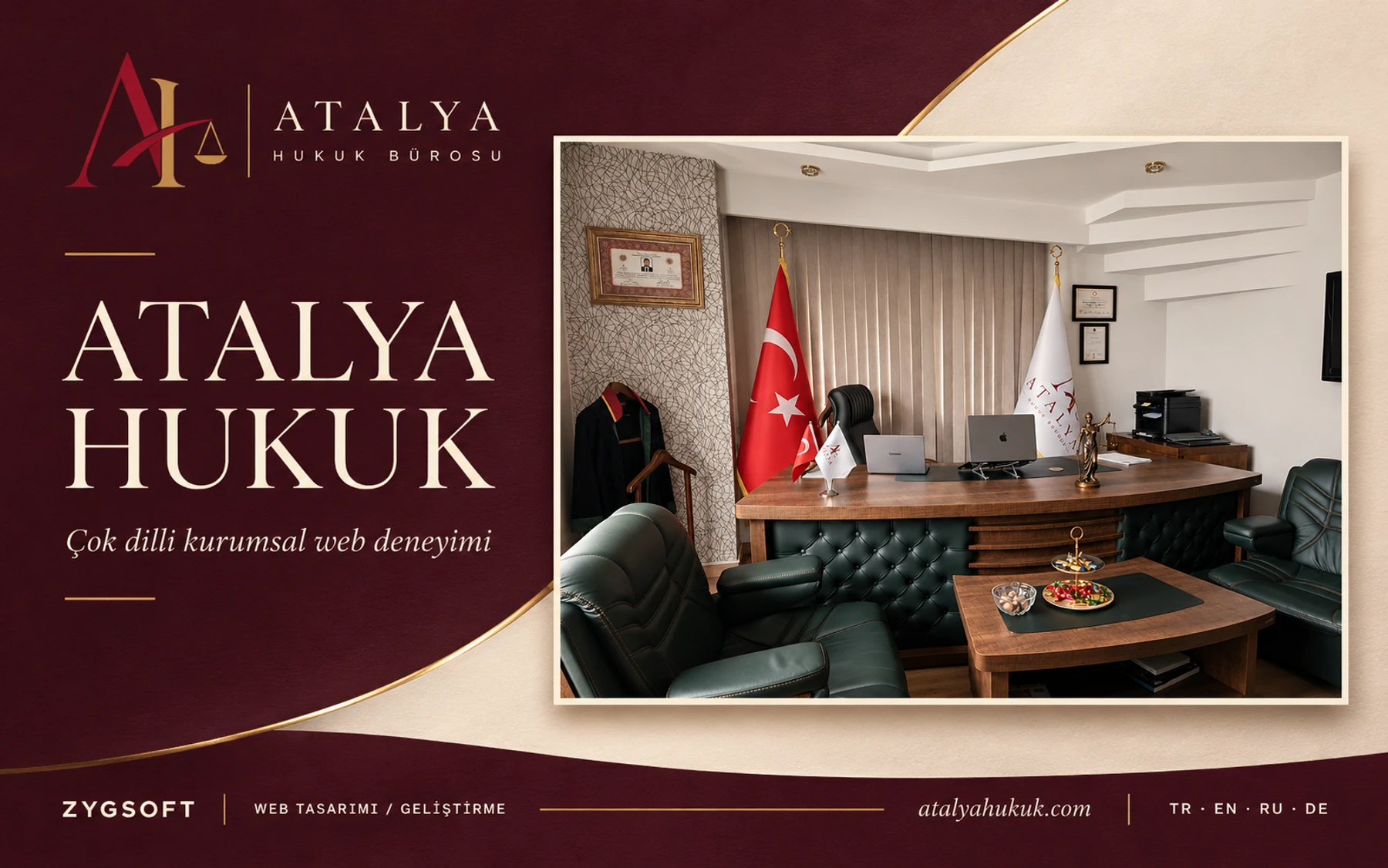
Atalya Hukuk — A confident digital presence in four languages
A multilingual website for an Antalya law firm, bringing Turkish, English, Russian and German content together with practice areas, team profiles and direct contact routes.
Web Design & Development
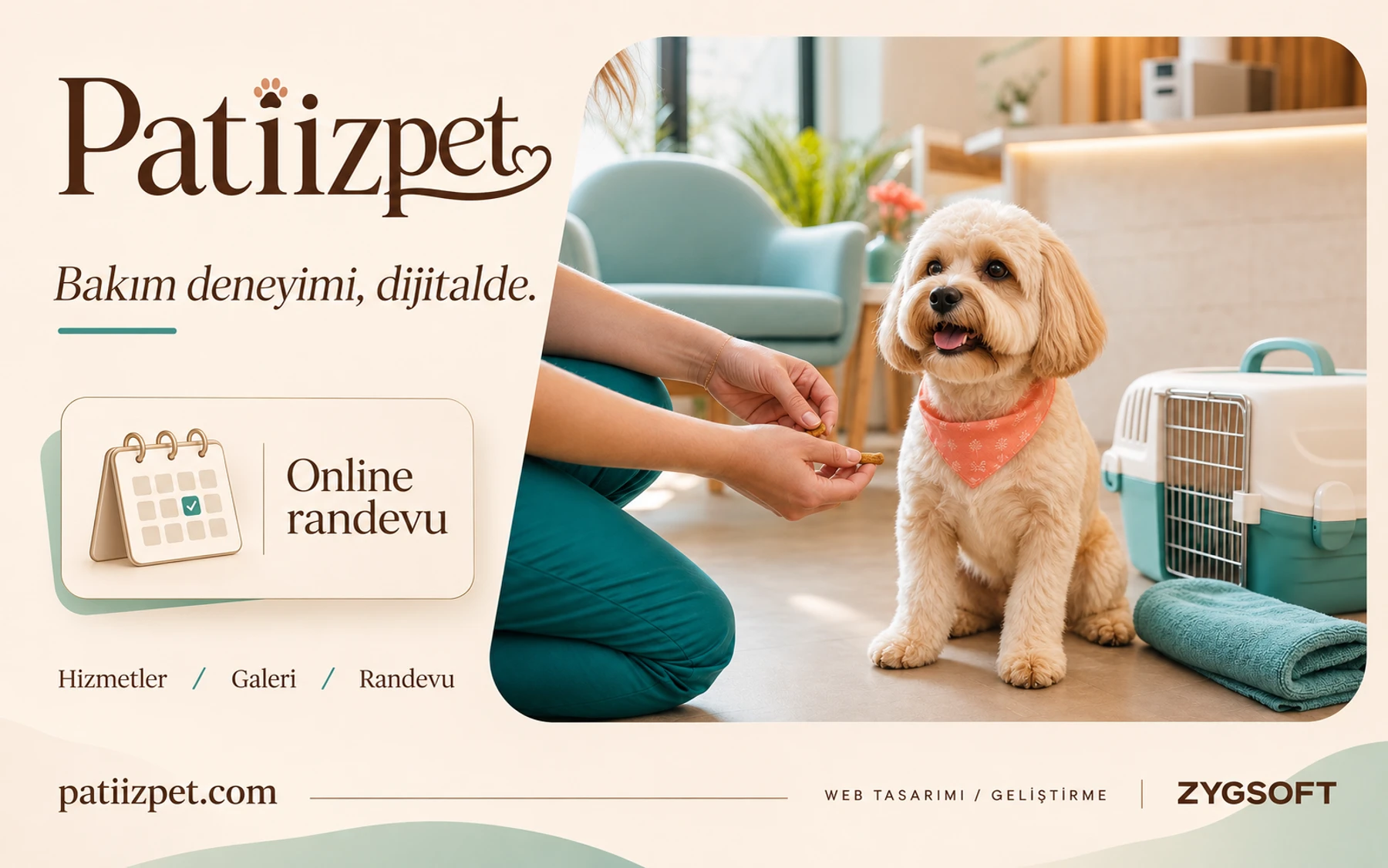
Patiizpet — From discovering care to booking an appointment
A welcoming website for an İzmir pet grooming salon, combining service discovery, its care approach and gallery with an online appointment journey.

Web Design & Development
Selin Özceviz — A distinctive personal identity in law
A WordPress website connecting lawyer Selin Özceviz's personal brand with practice areas, legal publications and clear contact routes.
Let's Build Something Together
Ready to start your next digital project?